


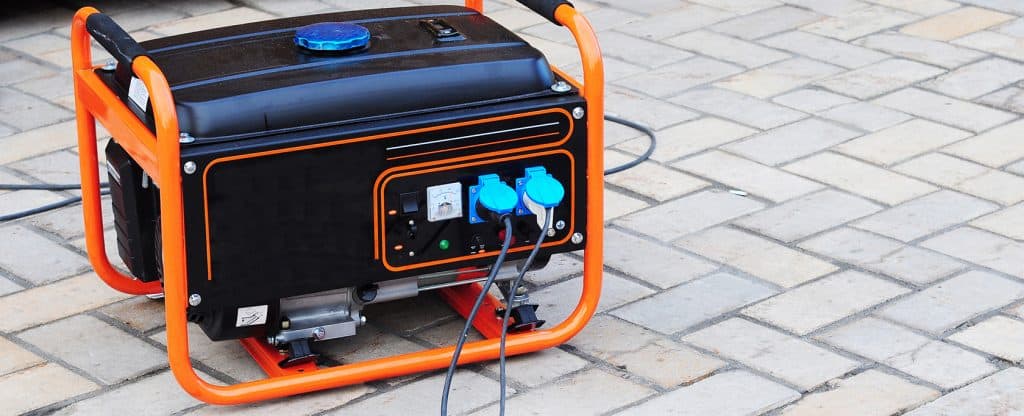
Generator Safety Tips: How to Use a Portable Generator Safely
Power outages can happen unexpectedly, whether caused by hurricanes, severe thunderstorms, winter weather, or equipment failures. Portable generators can provide temporary electricity for essential appliances and devices, but improper use can create serious safety hazards.
From carbon monoxide poisoning to electrical shock and fire risks, understanding how to operate a generator safely is an important part of emergency preparedness.
Before using a portable generator, review these essential safety tips to help protect your home and family during a power outage.
1. Prevent Carbon Monoxide Poisoning
Carbon monoxide (CO) is a colorless, odorless gas produced by fuel-burning equipment, including portable generators. Exposure can cause serious illness or death, sometimes before a person recognizes the symptoms.
To reduce the risk of carbon monoxide poisoning:
- Always operate generators outdoors. Never use a generator inside your home, garage, basement, crawl space, shed, or other enclosed area, even with windows or doors open.
- Keep generators at least 20 feet away from your home. Position the generator outdoors with its exhaust directed away from windows, doors, vents, and other building openings.
- Install carbon monoxide alarms. Use battery-operated CO alarms or alarms with battery backup on each level of your home and outside sleeping areas.
- Test your alarms regularly. Follow the manufacturer’s testing and maintenance recommendations to ensure your CO alarms are working properly.
- Consider additional safety features. When selecting a portable generator, look for models equipped with automatic carbon monoxide shutoff technology.
Know the Symptoms of Carbon Monoxide Poisoning
Common symptoms of carbon monoxide exposure include headaches, dizziness, nausea, weakness, confusion, and fatigue.
If a carbon monoxide alarm sounds or someone experiences symptoms of exposure, move everyone outside to fresh air immediately and call 911. Do not re-enter the building until emergency responders determine it is safe.
For more information, visit the U.S. Consumer Product Safety Commission’s carbon monoxide safety resources.
2. Reduce the Risk of Electrical Shock
Generators produce electricity that can be dangerous if equipment is damaged, improperly connected, or exposed to moisture.
Follow these precautions when powering your home:
- Never connect a generator directly to a wall outlet. This practice, known as backfeeding, can send electricity into utility lines and endanger utility workers, neighbors, and others.
- Use a professionally installed transfer switch. If you plan to connect a generator to your home’s electrical system, have a qualified electrician install an approved transfer switch or other appropriate transfer equipment.
- Use properly rated extension cords. Choose heavy-duty, outdoor-rated cords that are suitable for the electrical load and have the appropriate grounding configuration.
- Keep your generator dry. Never operate or handle electrical equipment while standing in water or exposed to unsafe wet conditions. Follow manufacturer instructions for weather protection.
- Use appropriate electrical protection. Ground fault circuit interrupters (GFCIs) can help reduce electrical shock hazards, especially in damp environments.
Always follow the generator manufacturer’s grounding instructions and consult a qualified electrician when connecting equipment to your home’s electrical system.
3. Prevent Generator-Related Fires
Portable generators generate significant heat during operation, and the fuel used to power them can ignite if handled improperly.
To reduce fire hazards:
- Turn off the generator before refueling. Allow the engine to cool completely before adding fuel.
- Store fuel safely. Keep gasoline and other fuels in approved, properly labeled containers in a well-ventilated location away from living spaces and ignition sources.
- Maintain adequate clearance. Follow the manufacturer’s spacing requirements and keep the generator away from combustible materials.
- Check for leaks and damage. Inspect fuel lines, connections, and other components before operating the generator.
- Never smoke near fuel or a running generator. Keep open flames, sparks, and other ignition sources away from fuel storage and refueling areas.
Proper handling and storage can help reduce the risk of accidental fires during extended power outages.
For additional precautions around your home, explore our fire extinguisher safety guide.
4. Protect Appliances and Avoid Overloading Your Generator
Connecting too many appliances or devices to a generator can overload the equipment, potentially causing damage or creating additional safety hazards.
Before using a generator, determine which appliances and devices you need to power and calculate their combined electrical requirements.
Keep these tips in mind:
- Check the generator’s wattage rating. Make sure the combined running wattage and starting wattage requirements of connected equipment are within the generator’s capacity.
- Prioritize essential equipment. Refrigerators, freezers, necessary medical equipment, and communication devices may take priority during an outage.
- Connect devices carefully. Follow the manufacturer’s instructions and add electrical loads gradually.
- Use appropriate cords and connections. Avoid damaged extension cords, overloaded power strips, and improper adapters.
- Monitor generator performance. If the generator shows signs of overload, disconnect equipment and review the load requirements before restarting.
Consult your generator’s owner’s manual for instructions on managing electrical loads and protecting connected equipment.
5. Prepare Your Generator Before a Power Outage
Generator safety starts before severe weather or an emergency occurs.
Regular maintenance and planning can help ensure your generator is ready when needed.
Consider these preparation steps:
- Read the owner’s manual and familiarize yourself with safe operating procedures.
- Test and maintain the generator according to the manufacturer’s recommended schedule.
- Identify a safe outdoor operating location at least 20 feet from your home.
- Make sure you have appropriate extension cords and electrical connections.
- Keep an adequate supply of approved fuel stored safely.
- Test smoke and carbon monoxide alarms.
- Review your household emergency plan, including how to safely operate essential equipment during an outage.
If you live in an area affected by hurricanes or tropical storms, include generator preparation in your overall hurricane preparedness checklist.
For homeowners in areas that experience freezing temperatures, our winter storm preparation guide includes additional tips for managing power and heat loss.
Frequently Asked Questions About Generator Safety
How Far Should a Generator Be From Your House?
Portable generators should be operated outdoors at least 20 feet away from your home, with the exhaust directed away from doors, windows, vents, and other openings. Never operate a generator inside a garage, on a porch, or in an enclosed area, even if doors or windows are open.
Can You Run a Generator in the Rain?
Operating a generator in wet conditions can create electrical shock hazards. Follow the manufacturer’s instructions for weather protection and never handle generator electrical components while wet or standing in water. Some generators may be used with specially designed, manufacturer-approved protective covers or canopies that maintain adequate ventilation, but ordinary tarps and enclosed coverings are not safe substitutes.
Can a Portable Generator Power an Entire House?
Whether a portable generator can power an entire home depends on the generator’s capacity and the home’s electrical requirements. Many portable generators are designed to support a limited number of essential appliances rather than an entire household. Consult a qualified electrician before connecting a generator to your home’s electrical system.
How Often Should You Run or Maintain a Portable Generator?
Maintenance requirements vary by generator model and manufacturer. Follow the owner’s manual for recommended inspections, oil changes, fuel system maintenance, and periodic testing. Checking your generator before severe weather can help identify potential problems before an outage occurs.
Stay Safe and Prepared During Power Outages
Portable generators can provide valuable backup power when electricity is unavailable, but safe operation should always come first.
Keeping generators outdoors, preventing electrical hazards, handling fuel carefully, and maintaining equipment properly can help reduce risks to your home and family.
For additional information, review OSHA’s portable generator safety guidance and explore more home safety resources from Tower Hill.[/vc_column_text][/vc_column][/vc_row]