


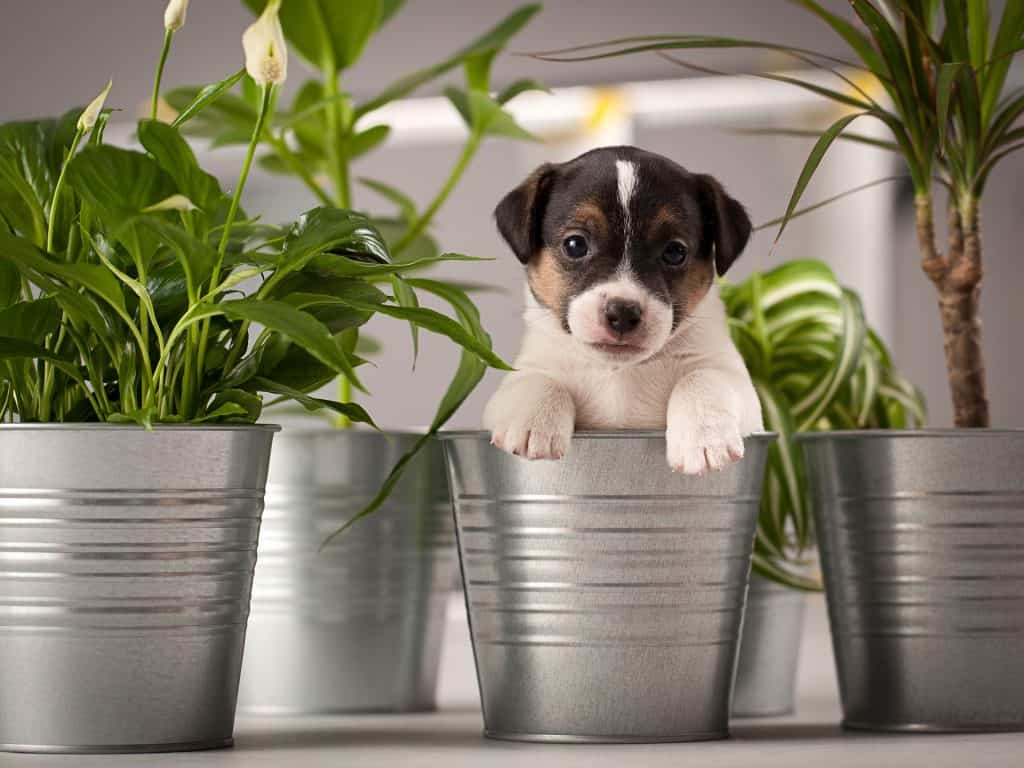
Many popular indoor and outdoor plants can be harmful to pets if ingested. Our curious four-legged family members have a habit of nibbling on things when we’re not looking, so it’s important to consider pet safety when choosing plants for your home.
Fortunately, there are plenty of beautiful, relatively easy-to-maintain plants that are considered non-toxic to dogs and cats. Here are some pet-friendly options to consider for your home.
[/vc_column][/vc_row] [vc_row padding_top=”0px” padding_bottom=”0px”][vc_column fade_animation_offset=”45px” width=”1/4″]
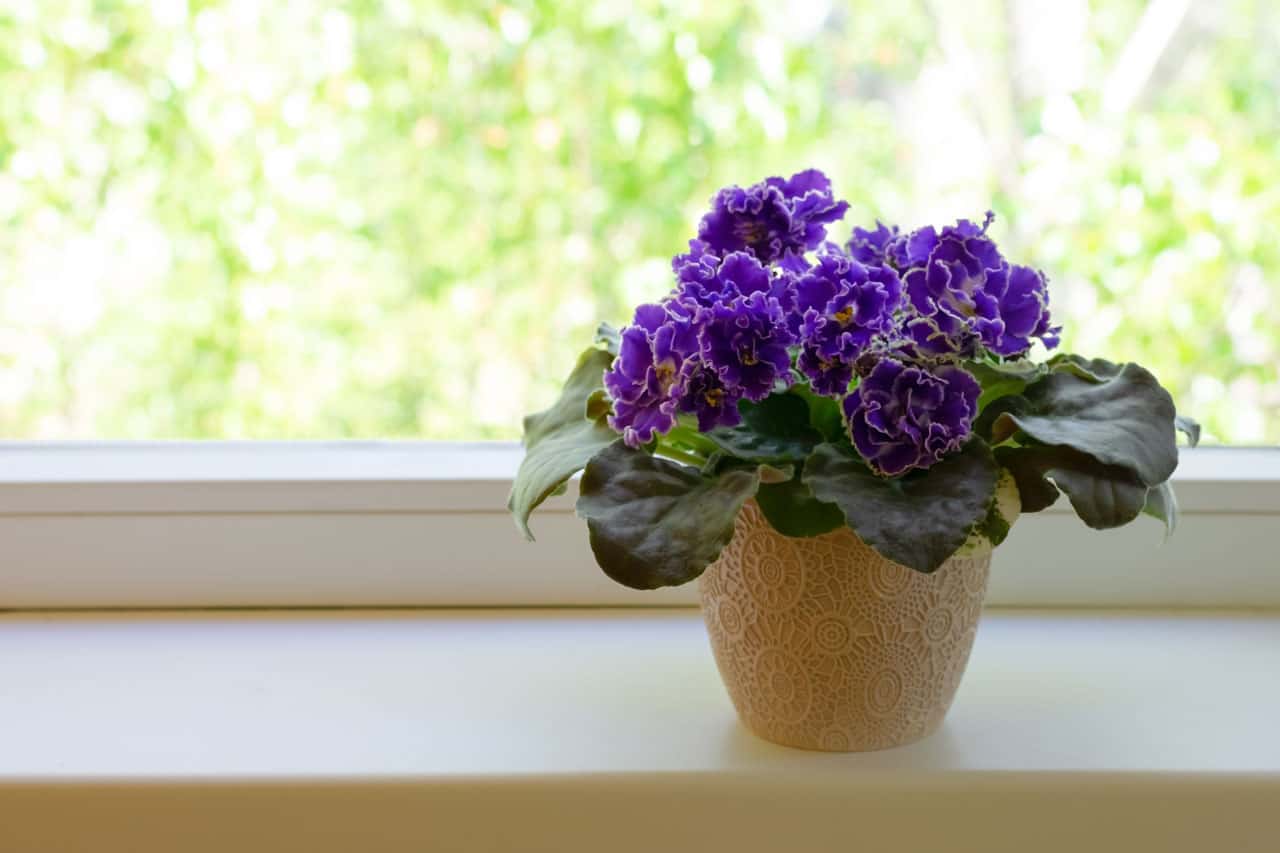
African Violet
Ideal for low light and moderate temperatures and humidity, African Violets are a colorful, pet-friendly choice. They need just enough water to keep the soil moist, but not soggy, as overwatering can contribute to plant diseases.
[/vc_column][/vc_row] [vc_row padding_top=”0px” padding_bottom=”0px”][vc_column fade_animation_offset=”45px” width=”1/1″][/vc_column][/vc_row] [vc_row padding_top=”0px” padding_bottom=”0px”][vc_column fade_animation_offset=”45px” width=”1/4″]
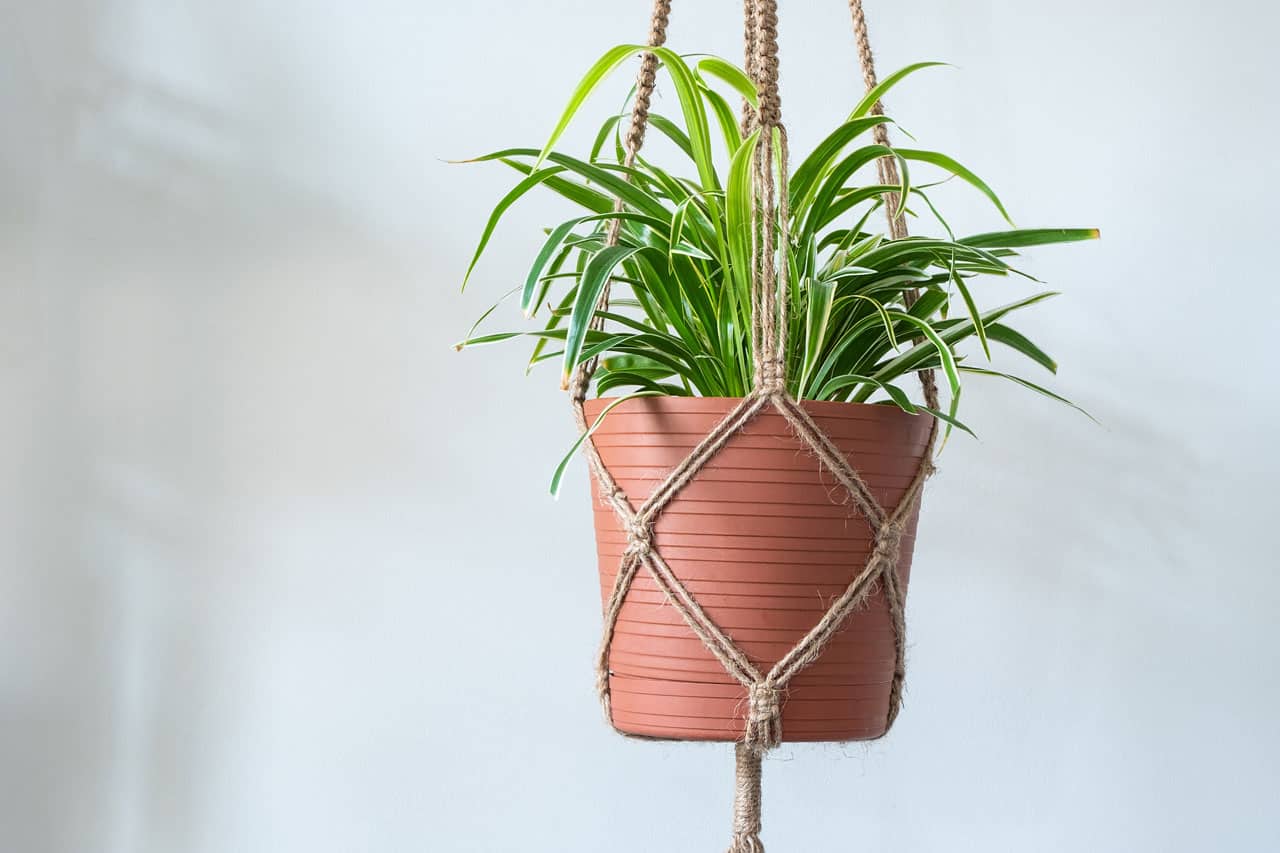
Spider Plant
Also known as the Ribbon or Airplane Plant, the Spider Plant is non-toxic to pets and tolerates a wide range of light, moisture, and soil conditions. These hardy plants are an excellent choice for beginner gardeners. Provide well-drained soil and bright, indirect light, and allow the soil to dry between waterings.
[/vc_column][/vc_row] [vc_row padding_top=”0px” padding_bottom=”0px”][vc_column fade_animation_offset=”45px” width=”1/1″][/vc_column][/vc_row] [vc_row padding_top=”0px” padding_bottom=”0px”][vc_column fade_animation_offset=”45px” width=”1/4″]
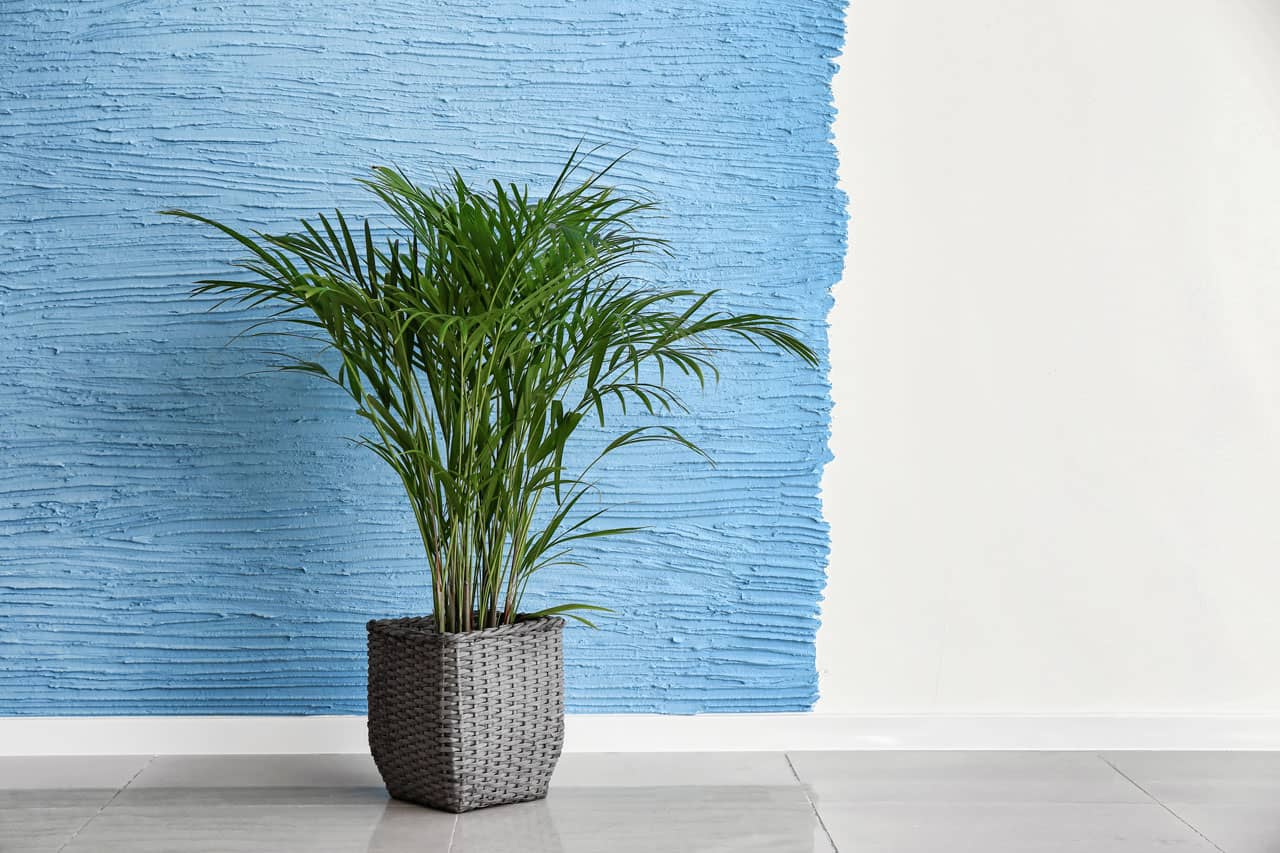
Areca Palm
Also known as the Butterfly Palm or Golden Palm, the Areca Palm is a pet-friendly option that can add a tropical feel to your home. It does best in bright, indirect light, such as near a south- or west-facing window. Avoid placing it in direct sunlight, which can cause the leaves to turn yellowish-green.
[/vc_column][/vc_row] [vc_row padding_top=”0px” padding_bottom=”0px”][vc_column fade_animation_offset=”45px” width=”1/1″][/vc_column][/vc_row] [vc_row padding_top=”0px” padding_bottom=”0px”][vc_column fade_animation_offset=”45px” width=”1/4″]
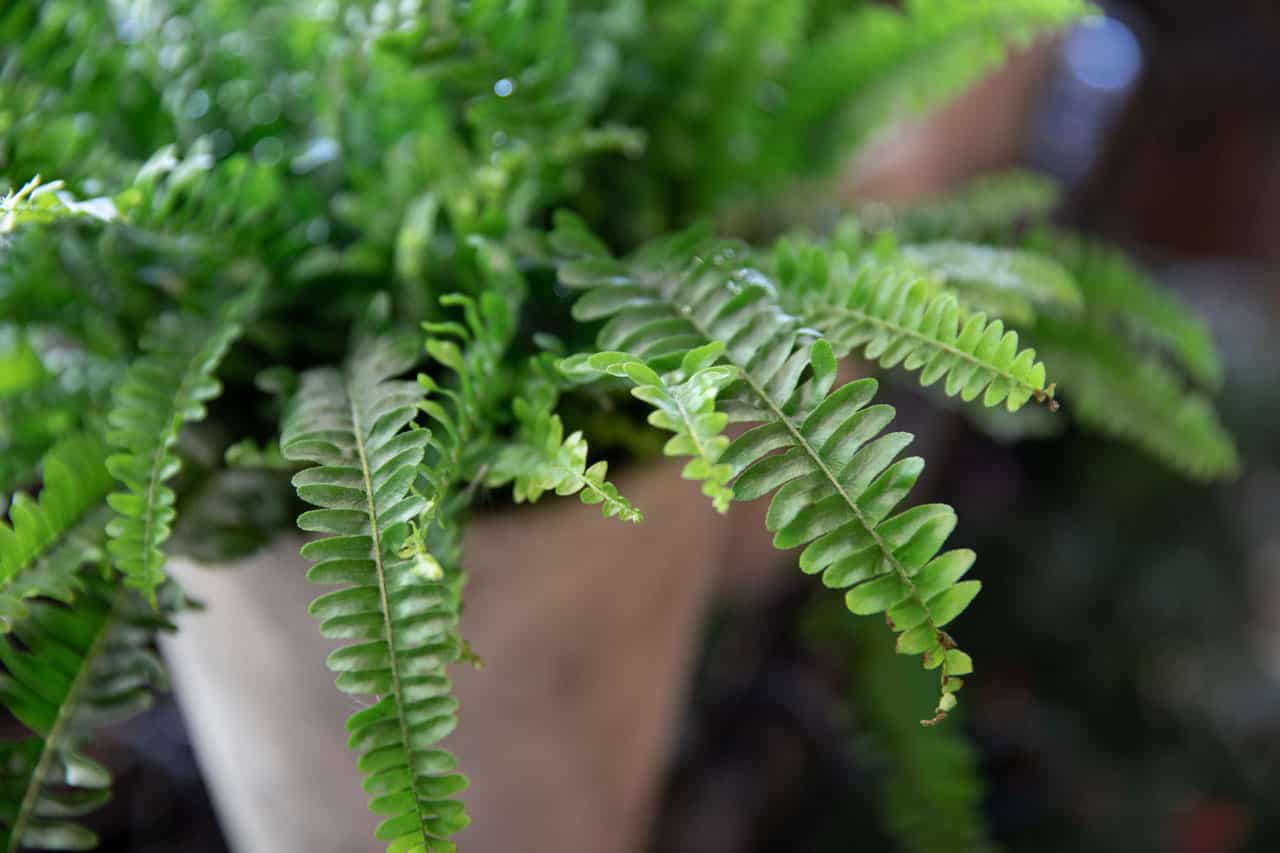
Boston Fern
Boston Ferns are non-toxic to pets and thrive in bright, indirect light and humid environments. A sunny bathroom can be an ideal location. Keep the soil consistently moist, and consider placing the fern somewhere your pet can’t easily reach it, as its leaves can be tempting to chew.
[/vc_column][/vc_row] [vc_row padding_top=”0px” padding_bottom=”0px”][vc_column fade_animation_offset=”45px” width=”1/1″][/vc_column][/vc_row] [vc_row padding_top=”0px” padding_bottom=”0px”][vc_column fade_animation_offset=”45px” width=”1/4″]
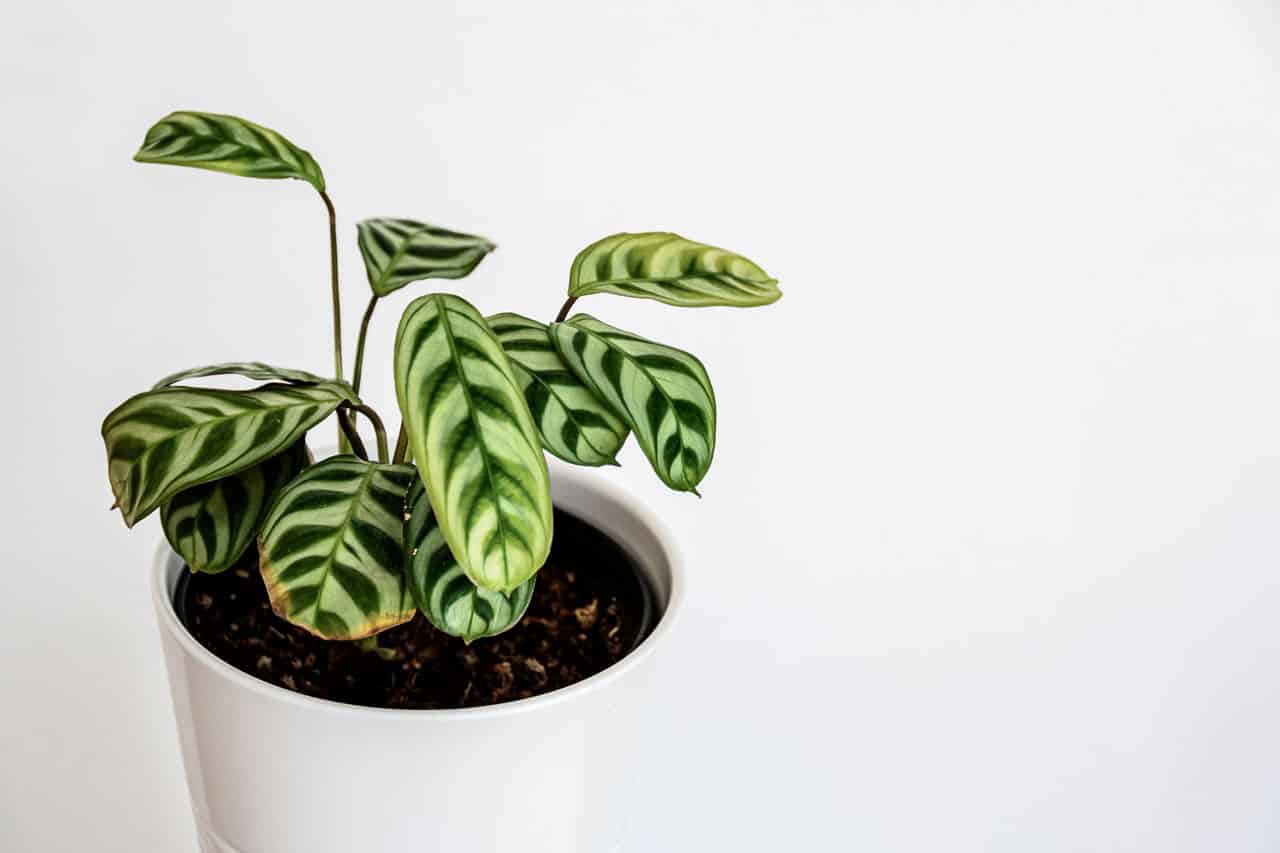
Calathea
Calatheas, sometimes called Prayer Plants, are another low-light, pet-friendly option. They prefer indirect sunlight and humid conditions. Allow the soil to dry somewhat between waterings. With proper care, these plants can be surprisingly forgiving if they are occasionally neglected.
[/vc_column][/vc_row] [vc_row padding_top=”0px” padding_bottom=”0px”][vc_column fade_animation_offset=”45px” width=”1/1″][/vc_column][/vc_row] [vc_row padding_top=”0px” padding_bottom=”0px”][vc_column fade_animation_offset=”45px” width=”1/4″]

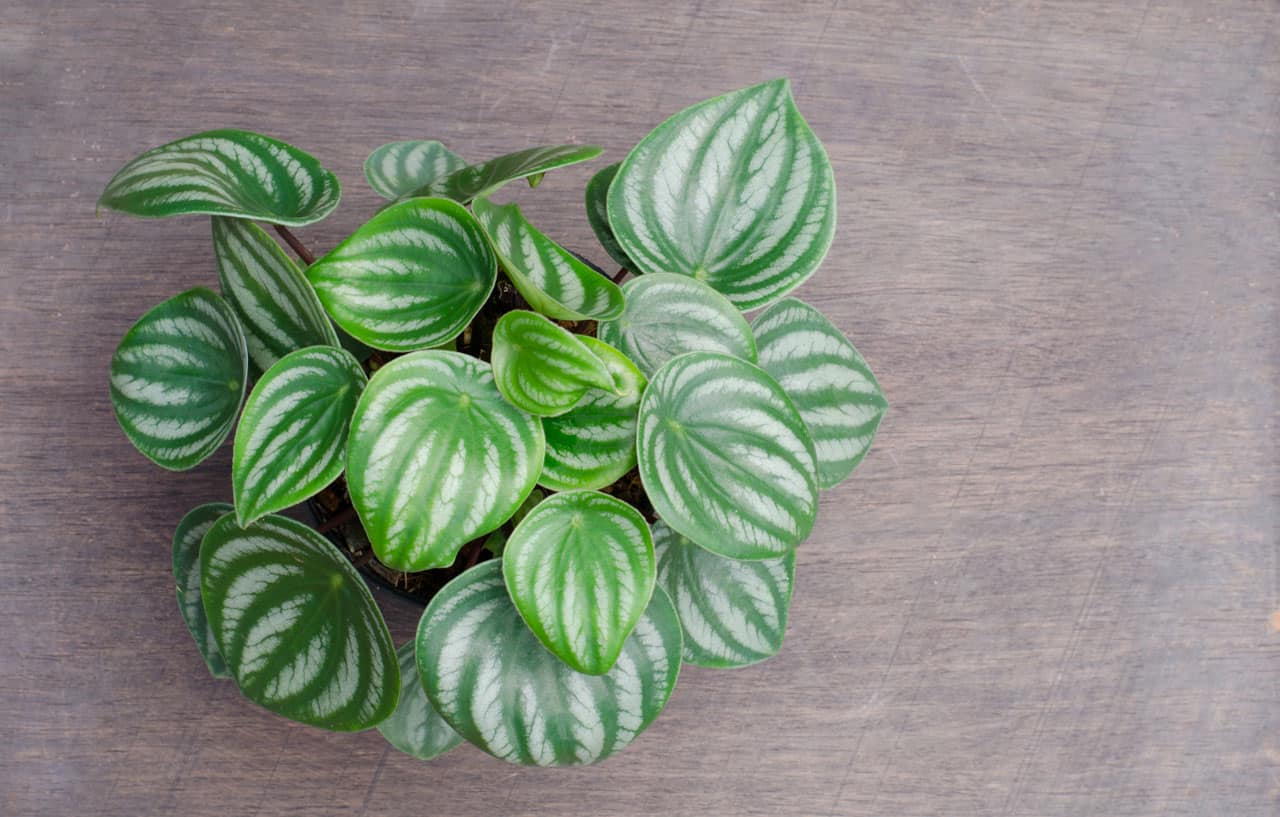
Peperomia
Peperomias enjoy medium to bright, indirect light. While they can tolerate lower-light conditions, they may not grow as well. Many varieties store water in their stems and leaves, making them relatively forgiving if you occasionally forget to water them. Allow the soil to dry out before watering.
[/vc_column][/vc_row] [vc_row padding_top=”0px” padding_bottom=”0px”][vc_column fade_animation_offset=”45px” width=”1/1″][/vc_column][/vc_row] [vc_row padding_top=”0px” padding_bottom=”0px”][vc_column fade_animation_offset=”45px” width=”1/4″]
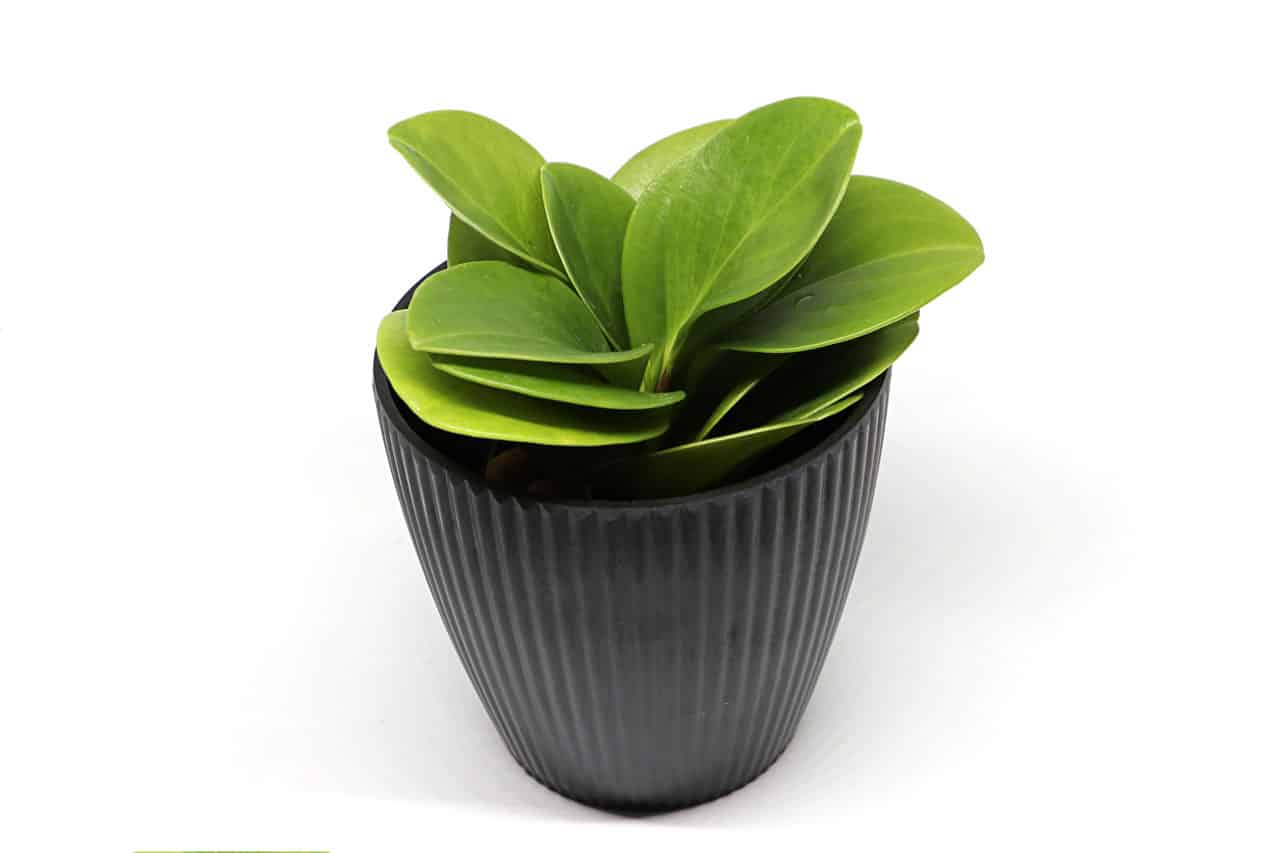
Baby Rubber Plant
Don’t confuse the Baby Rubber Plant (Peperomia obtusifolia) with the Rubber Plant, which can be toxic to pets. Baby Rubber Plants are pet-friendly and thrive in bright, indirect sunlight. Let the soil dry between waterings and avoid overwatering.
[/vc_column][/vc_row] [vc_row padding_top=”0px” padding_bottom=”0px”][vc_column fade_animation_offset=”45px” width=”1/1″]Even plants considered non-toxic can cause mild digestive upset if a pet eats a large amount. It’s always a good idea to discourage your pets from chewing on houseplants and to keep plants out of reach when possible.
[/vc_column][/vc_row] [vc_row padding_top=”0px” padding_bottom=”0px”][vc_column fade_animation_offset=”45px” width=”1/1″]Plants to Keep Away From Pets
Not every plant is pet-friendly. Some common landscaping and houseplants can cause serious illness if eaten.
Sago palms, for example, contain toxins that can cause severe illness and can potentially be fatal to dogs if ingested. The seeds and seed pods are particularly dangerous.
Several common spring garden favorites can also be harmful to pets, including tulips, daffodils, lilies, and azaleas. Depending on the plant and the amount consumed, ingestion can cause symptoms ranging from an upset stomach to more serious complications, including seizures, cardiac problems, and potentially death.
[/vc_column][/vc_row] [vc_row padding_top=”0px” padding_bottom=”0px”][vc_column fade_animation_offset=”45px” width=”1/1″]Keep Your Pets Safe
Before bringing a new plant into your home or adding one to your yard, take a moment to research whether it is safe for your pets.
If you suspect that your pet has eaten a potentially poisonous plant, contact your veterinarian or a local emergency animal hospital immediately.
For a detailed list of plants that are toxic and non-toxic to dogs, cats, and horses, visit ASPCA. The ASPCA’s resource includes photos and printable lists to help you identify potentially dangerous plants.
Keep your four-legged family members safe by choosing pet-friendly plants for your home and yard. A little homework before you plant can go a long way toward protecting the whole family.
[/vc_column][/vc_row] [vc_row padding_top=”0px” padding_bottom=”0px”][vc_column fade_animation_offset=”45px” width=”1/1″]