Winter storms can bring freezing temperatures, power outages, and dangerous travelling conditions. Preparing ahead of time can help keep your household safe, warm, and comfortable, particularly if conditions worsen or last longer than expected.
Below are key steps you can take before, during, and after a winter storm to help protect your home and loved ones.
Protect Your Home
Winter storms can place extra strain on your home, especially during extended freezes.
- Insulate water lines along exterior walls to help prevent frozen pipes.
- Caulk and weather-strip doors and windows to reduce heat loss.
- Use storm windows or plastic window insulation to block drafts.
- Inspect your roof for damage and repair leaks.
- Remove weak or overhanging tree branches near your home.
- Keep a snow shovel and ice melt on hand to safely clear walkways.
Prepare for Power and Heat Loss
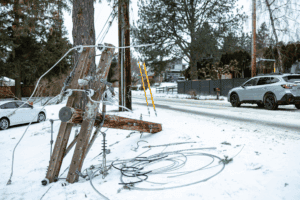
Loss of heat, power, and communication are common concerns during winter storms.
- Charge phones, tablets, and backup power banks.
- Keep flashlights, extra batteries, and a battery-powered radio available.
- Set refrigerators and freezers to the coldest setting to help food last longer during outages.
- Ensure you have sufficient heating fuel and generator fuel before the storm.
- Test smoke alarms and carbon monoxide detectors to confirm they are working properly.
- Review generator safety and never operate a generator in an enclosed space.
Stock Up on Supplies
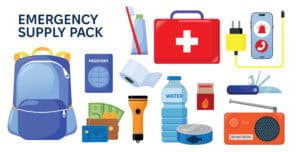
Gather food, water, and medications to prepare for a winter storm. Stores may close, and travel could become unsafe. Roads may be icy, visibility may be poor, and falling branches or power lines can pose serious hazards.
- Build a Go-Kit with at least three days of supplies in case you need to relocate to stay warm. Include backup batteries and chargers for important devices.
- Prepare a Stay-at-Home Kit with at least two weeks of food, water, and essential supplies.
- Set aside at least one gallon of drinking water per person per day.
- Keep a one-month supply of prescription medications and medical supplies.
- Stock non-perishable foods that require no cooking or refrigeration.
- Have extra baby items, pet food, and a warm shelter for pets.
- Keep personal, financial, and medical records safe and easy to access, either in hard copy or securely backed up.
- Ensure everyone in your household has warm clothing, including hats, mittens, and blankets.
If You Lose Heat
If indoor temperatures drop, take steps to conserve heat and protect your health.
- Close off unused rooms to avoid wasting warmth.
- Stuff towels or rags in cracks under doors.
- Close blinds or curtains to help retain heat.
- Layer clothing and blankets.
- Eat regularly and drink plenty of water or non-caffeinated, non-alcoholic beverages.
Watch for symptoms of cold-related illnesses:
- Frostbite: Numbness, white or grayish-yellow skin, and firm or waxy skin. Move to a warm area and warm slowly using body heat or warm water. Do not massage or use heating pads.
- Hypothermia: Shivering, confusion, slurred speech, drowsiness, or exhaustion. This is a medical emergency. Warm the core of the body first and seek immediate help.
Fire and Heating Safety
Home fires are more common during winter storms when heating sources are used more frequently.
- Never use ovens, grills, or cooking appliances as a heat source.
- Use space heaters with proper clearance and ventilation.
- Keep fireplaces and wood stoves properly maintained and ventilated.
- Do not leave candles unattended; battery-powered LED lights are safer.
- Keep fire extinguishers near heating sources and ensure they are in good working order.
- Make sure furnace vents, chimneys, and flues are clear of snow and debris.
After the Storm
Once conditions improve and it’s safe to go outside, take time to check for hazards and damage.
- Avoid downed power lines and report them immediately. Stay far away, even if they appear inactive.
- Be cautious of falling branches or trees weakened by ice and wind.
- Clear snow and ice from walkways slowly and carefully to avoid slips and falls.
- Check your home for visible damage, including roofs, siding, fences, and outdoor equipment.
- Look for signs of frozen or burst pipes, such as water stains, unusual odors, or reduced water pressure.
- Take photos or videos of any damage before making temporary repairs.
- Continue to use generators, heaters, and fireplaces safely until power is fully restored.
- Check on neighbors, especially elderly or vulnerable individuals, if it is safe to do so.
If you experience storm-related damage, you can start a claim when it’s safe to do so. Our claims team is ready to help you every step of the way.
Want to Learn More?