
Even a brief overnight freeze can lead to burst pipes and flooding. Here’s how to protect your home before the next cold front arrives.
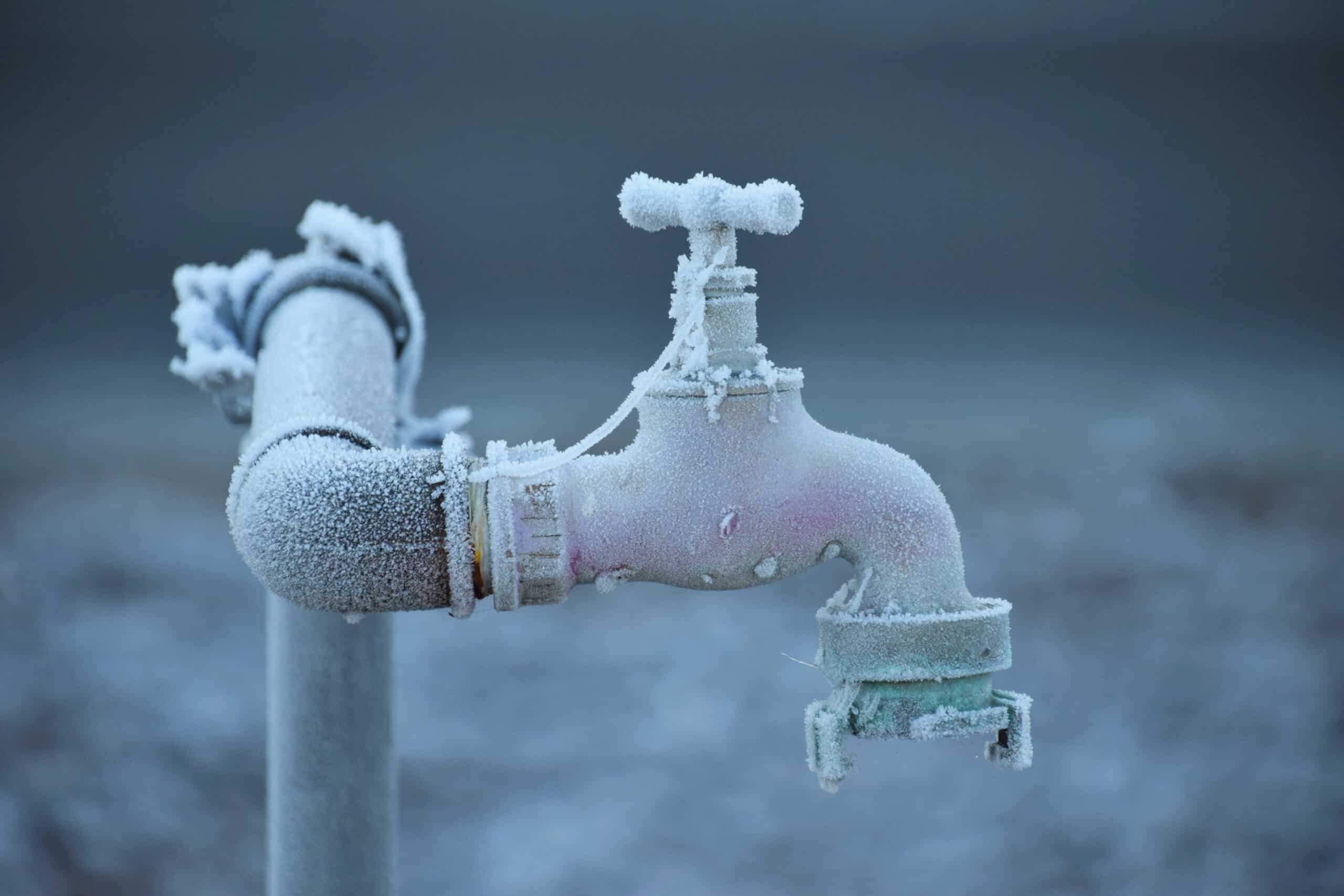
Cold snaps may be rare in the South, but when temperatures drop below freezing, homes in states like Florida, Texas, and the Carolinas face an increased risk of frozen pipes and unexpected water damage. Because southern homes typically weren’t designed with harsh winter conditions in mind, even a brief overnight freeze can lead to burst pipes, flooding, and other costly repairs.
Why Frozen Pipes Are a Risk in the South
In warmer climates, plumbing is often routed through attics, crawl spaces, garages, or exterior walls—areas with minimal insulation. When water inside a pipe freezes, it expands and creates internal pressure, which can crack or burst the pipe. Sudden temperature drops, a common feature of southern weather systems, make this risk even greater.
Where Pipes Are Most Likely to Freeze
- Attics and crawl spaces
- Garages, utility rooms, and laundry areas
- Exterior walls, especially behind kitchen and bathroom sinks
- Outdoor faucets, hose bibs, and irrigation lines
Signs a Pipe Might Be Frozen
- Little or no water flow
- Frost or condensation on exposed pipes
- Gurgling or unusual noises when turning on faucets
If you suspect a pipe is frozen, turn off your home’s main water supply and warm the pipe slowly using a hair dryer or portable heater. Never use open flames.
Quick & Effective Ways to Prevent Frozen Pipes
- Insulate Exposed Pipes Add foam sleeves or pipe wrap to plumbing in unheated areas. High-risk locations may also benefit from heat cables with a built-in thermostat for extra protection. Visit This Old House to see examples of effective pipe wrapping and insulation methods.
- Seal Drafts and Gaps Use caulk or spray foam to seal openings around pipes, vents, and doors. Small drafts can significantly lower temperatures inside your walls and cabinets. For more weatherproofing guidance and practical tips, visit Bob Vila’s webpage.
- Maintain a Steady Indoor Temperature Keep your thermostat set to at least 55°F, even when you’re away from home. On freezing nights, open cabinet doors under sinks to help warm air circulate around your pipes.
- Let Faucets Drip A slow, steady drip—especially from faucets located on exterior walls—helps keep water moving and reduces pressure buildup inside pipes.
- Protect Outdoor Plumbing Disconnect hoses, shut off exterior valves if accessible, and install insulated faucet covers. Irrigation lines and outdoor equipment should be winterized if a freeze is expected.
- Protect Pool Equipment Insulate any exposed pool equipment or above-ground pipes, and make sure valves remain open so water can flow freely. Keep your pool pump running continuously so water circulates through the system and is less likely to freeze. If you lose power during a freeze, turn off the system and drain the pump, filter, and heater to prevent cracking.
Tips for Your Vacant Home
Some policies state there is a duty to provide heat and or winterize homes when the building is vacant. If you own a home that no one is living in currently (e.g., a rental or vacation home), check your policy coverages to prevent a lack of coverage if a loss occurs.
Here are some additional tips to protect your vacant home during a freeze:
- Keep the thermostat set to at least 55°F to maintain a safe indoor temperature.
- Shut off the main water supply and drain the pipes to reduce the risk of freezing.
- Have a trusted neighbor or property manager check on the home to ensure power is on and no issues have developed.
Why Prevention Matters
Frozen pipes can cause expensive water damage, mold growth, and disruption to daily life. Taking simple preventative steps helps protect your home and reduces the likelihood of a costly insurance claim. At Tower Hill, we’re committed to helping you reduce losses before they happen. Simple steps taken today can save time, money, and headaches tomorrow.
For more information:
- Chase Day. How to Protect Pipes from Freezing During Southern Cold Snaps
https://www.chaseday.com/how-to-protect-pipes-from-freezing-during-southern-cold-snaps/ - Ready-Able. How to Keep Pipes from Freezing
https://www.ready-able.com/how-to-keep-pipes-from-freezing/