
On a chilly evening, a fireplace is always a welcoming sight for guests and family. However, leaving a fire unattended even for a few moments or not properly maintaining your fireplace can have devastating consequences.
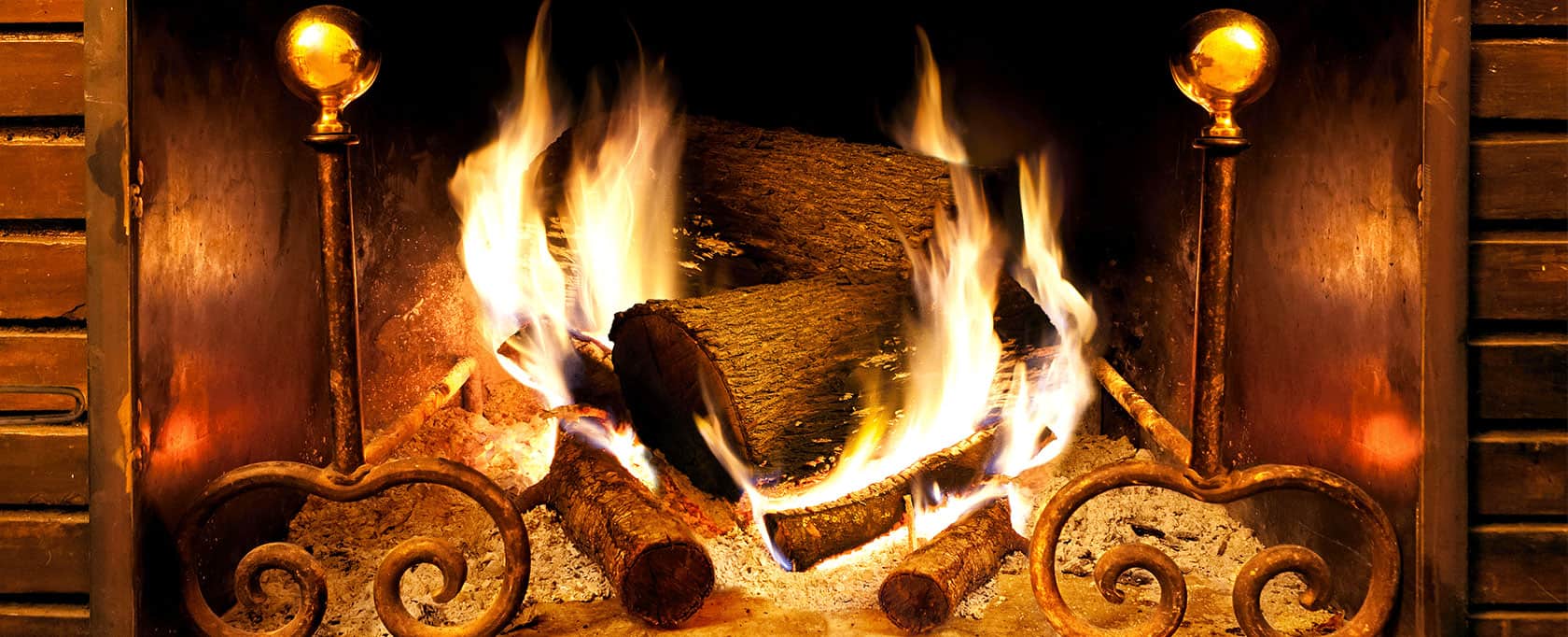
Fireplace Safety Tips to Protect Your Home and Family
A warm fire can make your home feel especially inviting when temperatures drop. But whether you have a traditional wood-burning fireplace or a gas fireplace, proper maintenance and safe use are essential to protecting your home and family.
Fireplaces can present several hazards, including accidental burns, chimney fires, and carbon monoxide exposure. Fortunately, a few simple precautions can help reduce these risks.
Essential Fireplace Safety Tips
Before lighting your next fire, make sure your fireplace and the surrounding area are ready for safe use.
1. Schedule Annual Chimney Inspections
Have your chimney and fireplace inspected by a qualified professional at least once a year. Chimneys can accumulate creosote, a flammable residue produced by burning wood, along with debris or animal nests that may restrict airflow.
Regular inspections and cleaning can help identify potential fire hazards and ventilation problems before they become serious.
2. Keep Flammable Materials Away
Maintain at least three feet of clearance between your fireplace and combustible items, including furniture, curtains, blankets, toys, and pet beds.
Use a properly fitted fireplace screen or protective enclosure to help prevent sparks and embers from escaping into your living space.
3. Burn the Right Materials
For wood-burning fireplaces, use properly seasoned, dry firewood. Avoid burning cardboard, wrapping paper, treated wood, or household trash, which can produce hazardous fumes or excessive sparks.
Never use gasoline, lighter fluid, or other flammable liquids to start or rekindle a fire.
4. Check Smoke and Carbon Monoxide Alarms
Working smoke and carbon monoxide alarms are essential parts of home fire safety. Install alarms in the appropriate locations throughout your home and test them regularly according to the manufacturer’s instructions.
Keep a fire extinguisher readily accessible and make sure household members know how to use it safely.
For additional precautions, explore our home fire prevention tips.
Fireplace Safety for Children and Pets
Fireplace safety is especially important in households with young children or pets.
Glass fireplace doors and metal frames can become extremely hot during use and remain hot long after the flames are extinguished. Even brief contact can cause serious burns.
To help protect children and pets:
- Install a sturdy, heat-resistant safety barrier designed for your fireplace.
- Keep children and pets a safe distance from the fireplace, even after the fire is out.
- Never leave young children unattended near an operating fireplace.
- Teach children that fireplace glass, screens, and surrounding surfaces may be hot.
- Keep toys, pet beds, and other belongings away from the hearth.
These precautions are particularly important for gas fireplaces, where the glass front can reach dangerously high temperatures without the same visible signs of heat as an open wood fire.
For more ways to reduce everyday hazards around your home, read How Safe Is Your Home?.
Wood-Burning vs. Gas Fireplace Safety
While both types of fireplaces require precautions, there are a few important differences to consider.
Wood-burning fireplaces: Make sure the damper is open before lighting a fire, maintain proper ventilation, and keep the chimney free of excessive creosote buildup. Never leave an active fire unattended.
Gas fireplaces: Follow the manufacturer’s operating and maintenance instructions, including recommended professional inspections. If you smell gas, do not attempt to ignite the fireplace. Leave the area and contact your gas utility or emergency services from a safe location.
Regardless of the type of fireplace, always follow the manufacturer’s safety guidelines.
Fireplace Safety Before Bedtime
Before leaving your home or going to sleep, make sure your fireplace is safely shut down.
For wood-burning fireplaces, allow the fire to burn out completely and confirm there are no active flames or smoldering embers. Keep the damper open until the ashes have cooled.
When disposing of ashes, place them in a covered metal container and store it outdoors, away from your home and combustible materials, until the ashes are completely cool.
For gas fireplaces, turn off the unit according to the manufacturer’s instructions and allow the glass and surrounding surfaces to cool.
Protecting Your Home Starts With Prevention
Fireplace maintenance is just one part of keeping your home safe. Regularly checking smoke alarms, maintaining heating equipment, and creating a household fire escape plan can help protect your property and everyone who lives there.
Explore more home safety resources from Tower Hill for practical ways to prepare for unexpected risks and protect your home.
For additional fireplace and heating safety information, visit the U.S. Fire Administration and the U.S. Consumer Product Safety Commission.